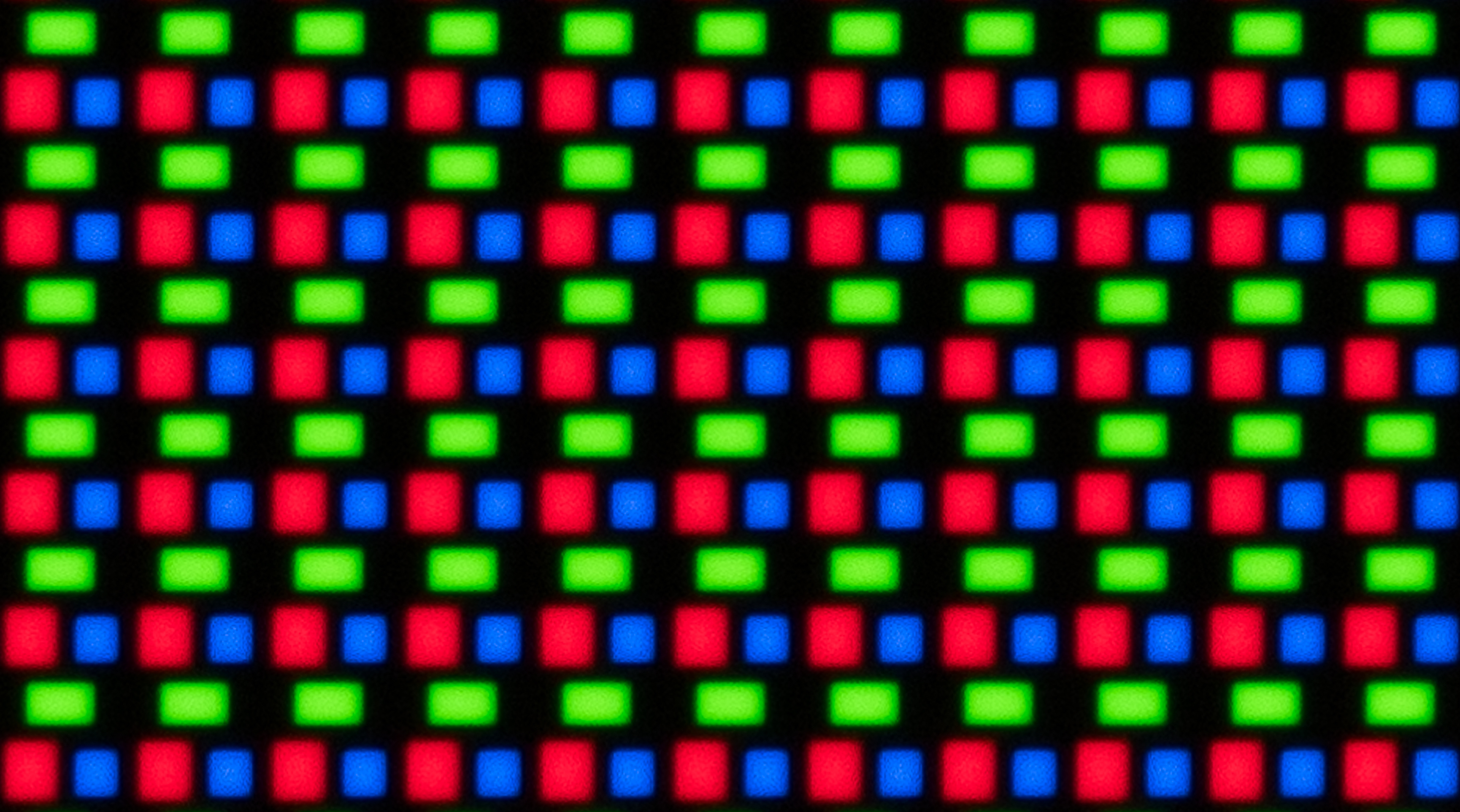
This was with my extended mip-map testings when i implemented the “redundant” stock pass:
If a pass had mip-mapping enabled, then sampling from a smaller buffer size (which the custom-fast-sharpen.slang does, as it has some pre-sampling included - namely the ntsc shaders scale 2x horizontally later), then texture sampling always blurred the image output. Claude can be a wonderful tool, but it’s lacks real-time and first hand testing abilities in regular cases IMO.
So this stock pass saved the situation, it was not like a part of an experiment and then forgotten by coincidence. 
So to say, a pass with usable and active output produces blurry sampling in RA with relevant drivers if it has mip-mapping enabled. The stock pass does not produce usable products besides for the avg-lum-ntsc.slang in which it’s referred as Source.
Long story short, a referenced pass with mip-mapping enabled was a no-go for further passes.
It should not matter too much with aperture masks, but it would make slot-masks out of alignment in many cases - most current RBG masks (zoom included) work as intended, some have some special hacks on it.
The R, G and B sequence when comparing ‘RBG’ and ‘BGR’ is identical, it’s only shifted. So the panel interaction should be the same.
But you can test it yourself in deconvergence passes:
deconvergence-ntsc.slang, line 512:
if (mask_layout > 0.5) mask = mask.rbg;
Just change .rgb to .gbr.
or replace with:
if (mask_layout == 1.0) mask = mask.rbg; else
if (mask_layout == 2.0) mask = mask.bgr;
And increase mask_layout parameter upper range to 2.0.

 Verified safe: Pass 9 (